
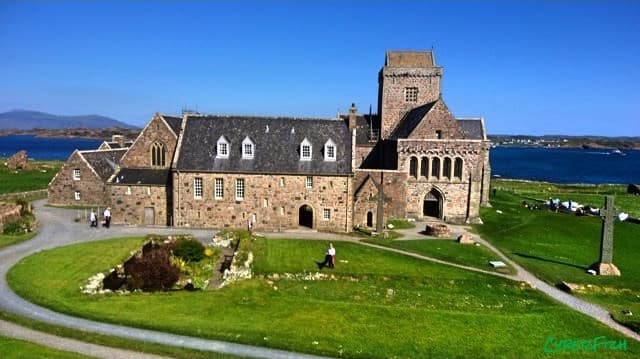
Iona
Iona is a place of invitation…
Although we may be a long way from creating an adult theme park in which we might have to imagine that humanoid robots may have rights, the world of video gaming is coming ever more closer to revealing the darkest fantasies of human nature.
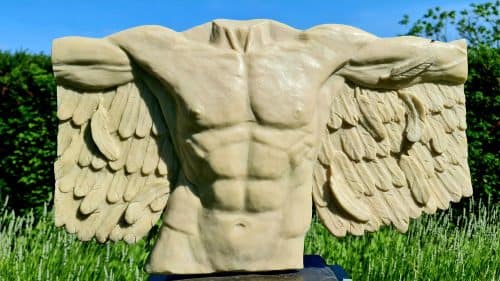
Yet again the Olympic games have surfaced many questions. For me they are typified in the statue of Christ standing over the city of Rio de Janeiro watching our triumphs and tragedies unfold as much in the city streets as in the stadium. He stands in silence but his arms are outstretched.

Social media is a mirror which reflects what we choose to treasure. Whether inward or outward looking, social media provides a statement of what we choose to value.
We have a mutual responsibility to engage with that which appears to be in juxtaposition to all that we are. Whatever our creed, ethnicity, or culture, we have the potential to communicate and co-operate with one another like never before. But will we? Which is the wolf we are feeding?

For all our advancements in communications technology it seems we still have a deep and sometimes dangerous fear of those different from ourselves. We can communicate in ever more instant ways and yet this freedom also provides a platform to amplify our fears and prejudices of all that is ‘other’. “Who is my neighbour?” This question was once posed to Jesus who responded with what is called the ‘Parable of the Good Samaritan’.

Names have the ability to be creative, inclusive, affirming. But names used negatively have the ability to do the complete opposite and become destructive, exclusive, undermining. Names have power to build up and break down. From pet names, to nick names, to rude names – we learn the power of names from the playground upwards.
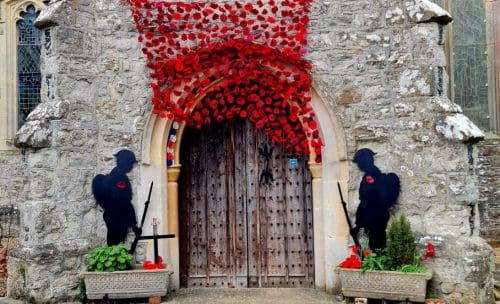
We cannot change the past but we can learn from it and faithfully shape the future. ‘Tomorrow’ is a precious gift that has been entrusted to us by those who gave their ‘today’.

The character of Miss Havisham warns us that we all have the potential to create tombs. As individuals we can create them in our homes. Collectively we can create them in other places. Death is more than a physical experience and we use the word to express more than the ending of physical life.
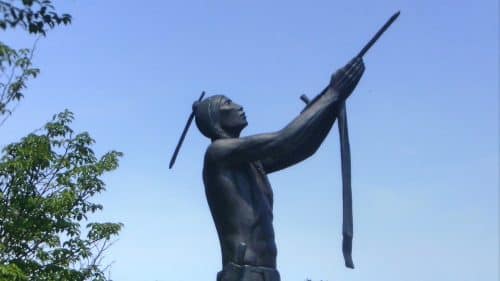
History warns us that when we dehumanise people or treat them as subhuman for whatever reason, prejudice, or ideology, it almost inevitably leads to genocide.

A church congregation were once asked by their minister to encapsulate their faith in 300 words? Not quoting one of the historic creeds, but their ‘creed’? If you can’t say what you believe in 300 words, what can you say?

We are creatures that cannot help ourselves but play and that can take many forms that can be encouraged. Fortunately some are engaging with these questions and those with eyes to see and ears to hear are beginning to reassess and appreciate the mass effect of games.
